Boredom, Stress, and Nostalgia Cravings
Jun 09, 2026Boredom, Stress and Nostalgia Cravings
Craving the Truth Series
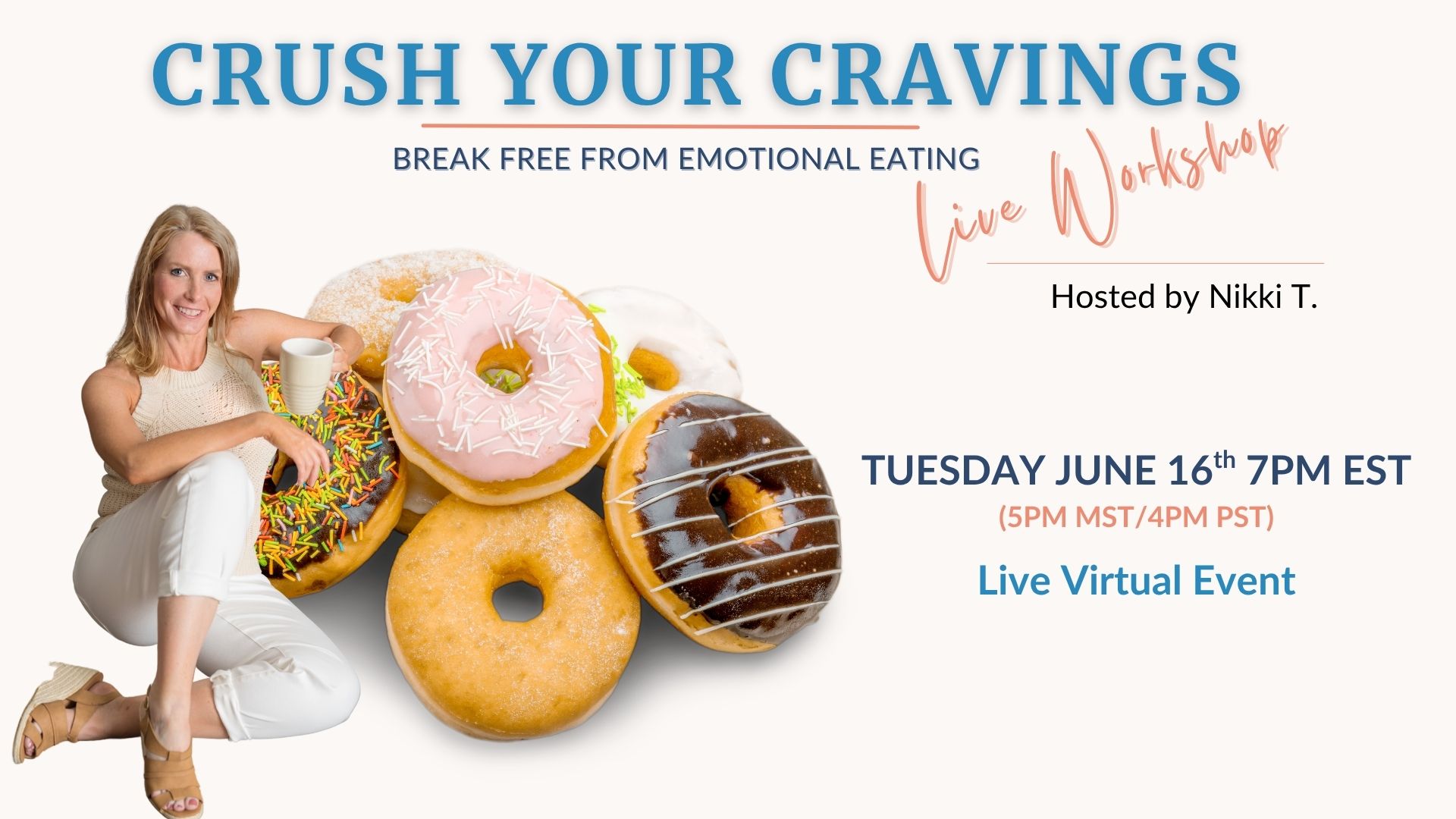
In this episode of the Craving the Truth series, we're uncovering the reasons behind some of the most common cravings women over 40 experience. From boredom eating and stress snacking to the foods that transport you back to childhood, you'll learn why cravings aren't simply about willpower or a lack of discipline. Discover how curiosity...not criticism...can help you understand what your cravings are really trying to tell you so you can find more peace, freedom, and confidence around food.
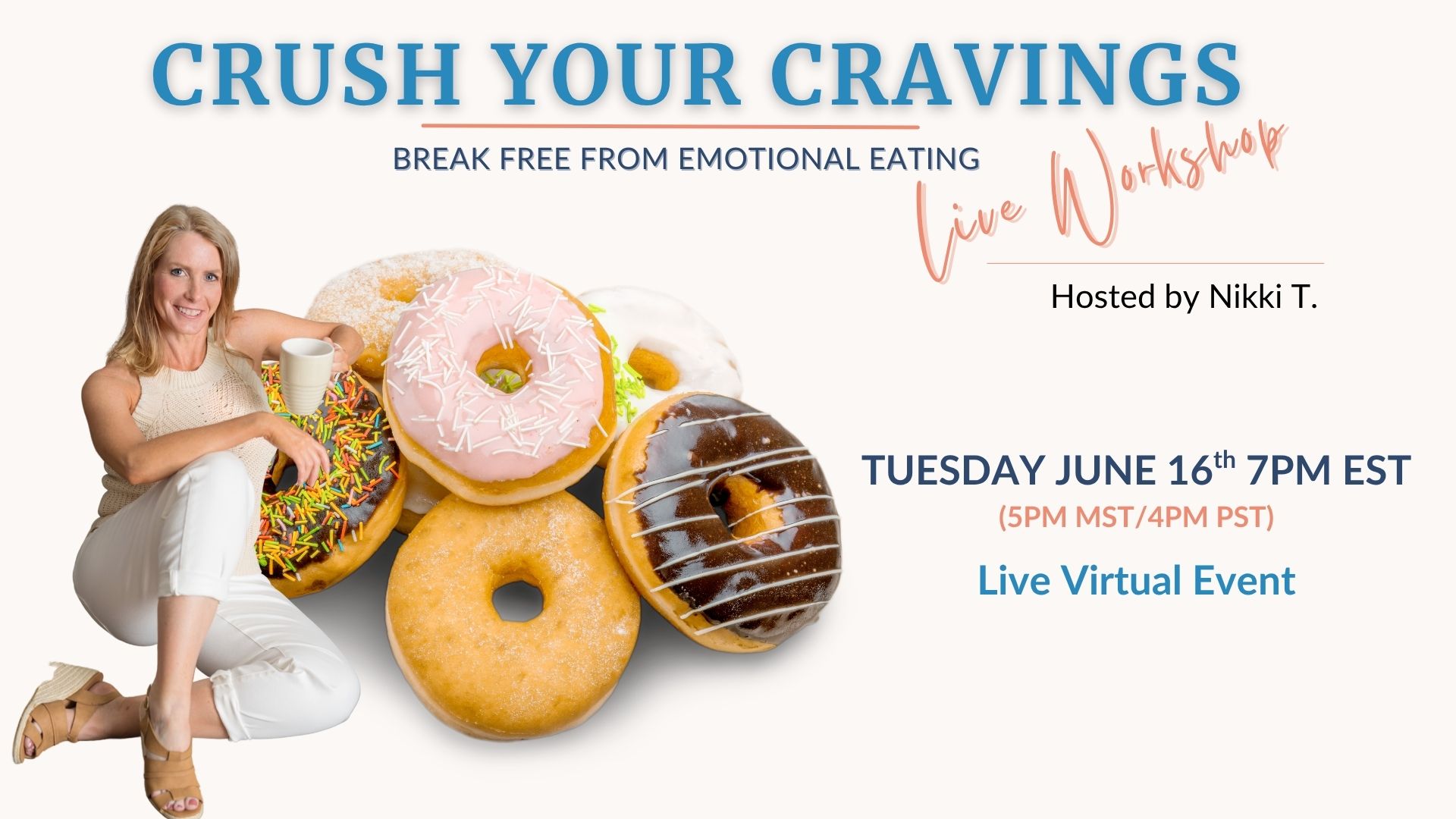
🍰Struggle with emotional eating and cravings?
This workshop is for YOU!
TUESDAY JUNE 16th
Grab Your Ticket HERE!






Boredom, Stress and Nostalgia Cravings
Craving the Truth Series
Have you ever walked into the kitchen, opened the refrigerator door, stared inside, closed it, walked away... and then found yourself right back there five minutes later?
Not because you were hungry or because your body needed fuel.
But because something felt off.
One of the biggest lies women have been told about cravings is that they're all about food.
They're not.
Most cravings have very little to do with physical hunger. In fact, some of the strongest cravings you'll ever experience aren't coming from your stomach at all. They're coming from your emotions, your thoughts, your memories, and the experiences you're trying to create or avoid.
Today, we're diving into three of the most common types of cravings I see in women over 40: boredom cravings, stress cravings, and nostalgia cravings.
Once you understand what's happening underneath these cravings, everything starts making a whole lot more sense.
Boredom Cravings: When Food Becomes Entertainment
Before you tell me, "Nicole, I'm not bored. My life is chaotic," hear me out.
Being busy and being stimulated are not the same thing.
I see women all the time who are exhausted, overwhelmed, and running from one responsibility to the next. They're putting out fires, checking off to-do lists, answering everyone else's needs, and yet they've become completely disconnected from themselves.
They aren't creating.
They aren't experiencing joy.
They don't have an outlet that lights them up.
True excitement is absent.
I can relate because this used to be me.
When we're disconnected from pleasure and fulfillment, food becomes the easiest source of instant gratification available.
It's 2:30 in the afternoon. You've answered emails, scrolled social media, checked your messages, and suddenly you're thinking about chips, chocolate, or something crunchy.
You're not hungry.
There are no physical hunger cues.
You're craving an experience.
You're looking for stimulation. A break from monotony. A tiny spark of pleasure.
Food becomes entertainment.
The problem is that the entertainment only lasts a few minutes. Then you're right back where you started...still restless, still bored, and often frustrated because eating didn't actually solve the problem.
Because the craving wasn't asking for food.
It was asking for something more from your life.
Stress Cravings: Looking for Relief, Not Fuel
Stress cravings are sneaky because they feel incredibly physical.
Women often tell me:
"I needed the chocolate."
"I couldn't stop thinking about it."
"I was obsessed."
I understand this deeply because that used to be me.
I always ask the same question:
"What happened today?"
Almost every time, there's a story.
An argument with a spouse.
A difficult conversation with your kids.
Financial worries.
Health concerns.
Stress at work.
A phone call that instantly sends your mind into worst-case scenarios.
Something happened.
Here's what I want you to understand:
When you're stressed, your brain isn't looking for nutrition.
It's looking for relief.
Those are two very different things.
Food works quickly. It distracts you. It comforts you. It gives your brain something else to focus on besides the uncomfortable emotions you're carrying.
And here's the truth that many people don't want to admit:
Emotional eating does work.
Temporarily.
If it didn't provide some sort of relief, we wouldn't keep doing it.
The problem is that it only works for a moment.
The stress is still there after the candy bar.
The overwhelm still exists after the ice cream.
The uncertainty doesn't disappear after the cookies.
Now you've simply added guilt, shame, and frustration on top of the original emotion.
Instead of asking, "What's wrong with me?" or "Why can't I stop eating this?" try asking yourself:
Why am I craving this food?
What feeling am I trying to avoid right now?
Those questions are far more powerful.
Nostalgia Cravings: When Food Represents Something More
Nostalgia cravings might be my favorite because they're so sneaky.
They're rarely about the food itself.
Maybe you're craving your mom's homemade cookies.
Her macaroni and cheese.
A favorite holiday dessert.
A recipe from someone you loved who is no longer here.
The food triggers something deeper.
Safety.
Comfort.
Connection.
Family.
A simpler time.
I remember going to the gym with my dad when I was a teenager. We'd work out together and afterward we'd head to Roy Rogers.
I'd order a double bacon cheeseburger, fries, and a vanilla milkshake every single time.
To this day, if I happen to see a Roy Rogers, I'm immediately transported back to those moments.
The fun of being with my dad.
The excitement of working out together.
The comfort of our little tradition.
It isn't the food I'm craving.
It's the feeling attached to the memory.
Smells can do this, too.
The aroma of Christmas cookies baking.
A family recipe being prepared in the kitchen.
One taste, one scent, and suddenly you're twenty years in the past.
Sometimes these memories are joyful.
Sometimes they carry grief.
But either way, food becomes the bridge back to something familiar.
The interesting thing is that eating the food rarely satisfies the craving completely.
Because what you're actually craving isn't the cookie.
It isn't the cake.
It isn't the macaroni and cheese.
It's the comfort.
The connection.
The person.
The moment.
And no amount of food can recreate what once was.
Cravings Deserve Curiosity, Not Criticism
Most women immediately make cravings mean something negative about themselves.
I'm weak and have no willpower.
I'm addicted to sugar.
I'm sabotaging myself.
But maybe you're stressed.
Maybe you're lonely.
Maybe you've become disconnected from who you are outside of being a wife, mother, caregiver, employee, or caretaker.
Maybe you're exhausted.
Maybe you're craving excitement.
Maybe you simply need rest.
What if cravings aren't the problem at all?
What if they're the messenger?
And every time you silence them with food without understanding them, you miss the message entirely.
Cravings invite awareness.
To observe.
To get curious.
Questions to Ask Yourself When a Craving Hits
The next time you experience a craving, instead of automatically reaching for food, ask yourself:
What's going on right now?
What am I observing physically?
What am I experiencing emotionally?
Am I bored?
Am I stressed?
Am I seeking comfort?
Am I longing for connection?
Is this nostalgia?
What is this craving actually asking for?
Because when you begin meeting the real need instead of automatically feeding the craving, that's where freedom begins.
The Truth About Cravings
Here's what I want you to remember:
This isn't really about food.
Shocking for a weight loss coach to say, I know.
But cravings are often part of being human.
They're invitations to understand yourself more deeply.
They're opportunities to reconnect with what you truly need.
Awareness is always the first step toward change.
So the next time boredom, stress, or nostalgia comes knocking, don't criticize yourself.
Get curious.
Because your cravings may not be the enemy.
They may simply be trying to tell you the truth.
Join us at Crush Your Cravings Live!! Learn more here.